The real reason your sales are unpredictable. Episode 310
Mar 10, 2026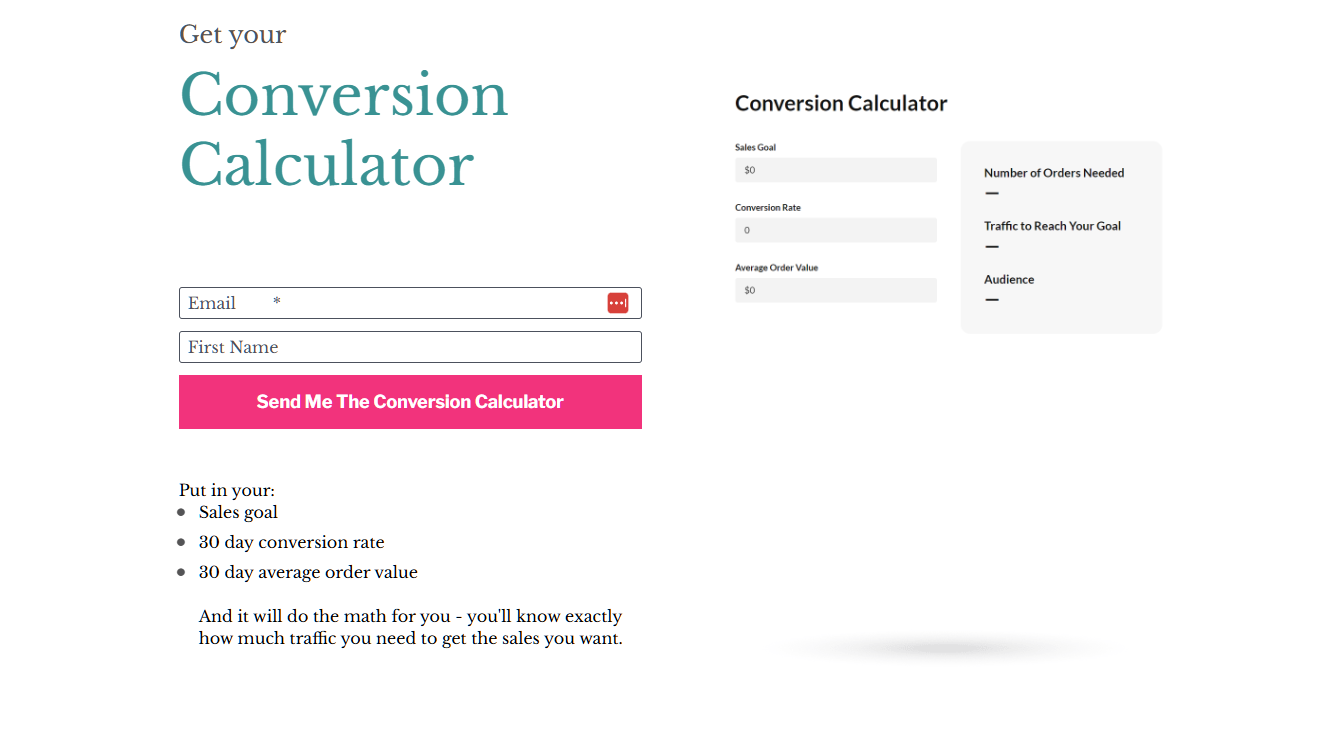
The Real Reason Your Sales Are Unpredictable
If your sales feel inconsistent, frustrating, and impossible to predict — you’re not alone. And the fix might be simpler than you think.
Stuck in the Messy Middle
A lot of store owners reach a stage where they’re doing everything right — posting on social media, running promotions, sending emails — but their sales still feel stuck. They have some sales, but progress is painfully slow. Some weeks are great; others feel like two steps backward.
This is what we call “the messy middle.” You’re past the beginning, but you haven’t broken through to consistent, reliable growth. And when your effort doesn’t match your results, it’s natural to start questioning yourself: Am I doing something wrong? Have I hit my ceiling? Is this even worth it?
The good news is that it’s almost never about doing something wrong. It’s about one thing most store owners aren’t doing.
The One Thing Most Store Owners Skip
Most store owners make decisions based on what they see online, what feels right, or what they’ve heard worked for someone else. What they’re not doing is looking at their own data.
Using your store’s data to guide your decisions is the difference between guessing and growing.
Once you understand the numbers that drive your sales, everything starts to make sense — including why you’re getting the results you’re currently getting.
The Three Key Metrics That Control Your Sales
Your sales aren’t random. They’re the direct result of three specific numbers — and once you know them, you can actually predict and influence your results.
- Traffic (Website Sessions): How many sessions does your website get each month?
- Conversion Rate: What percentage of those sessions results in a purchase?
- Average Order Value (AOV): What is the average amount spent per order?
These three numbers are the levers you pull to grow your business. If you want more sales, you have to improve at least one of them.
The Simple Math Behind Every Sale
Here’s how the formula works:
- Sessions × Conversion Rate = Number of Orders
- Number of Orders × Average Order Value = Total Sales
Let’s put some real numbers to it:
- 3,000 sessions per month
- 1% conversion rate
- $50 average order value
3,000 × 1% = 30 orders. 30 × $50 = $1,500 in sales. That’s one order a day and $1,500 a month — predictable, based entirely on those three numbers.
If you want more sales, you need to move one or more of those levers: more traffic, a better conversion rate, or a higher average order value.
Metric #1: Traffic — The Foundation of Everything
Think of your online store like a beautiful boutique tucked down a quiet side street. Your products are great, your store looks amazing — but if barely anyone walks past, you’re going to struggle to make sales no matter what. Traffic is the same problem online.
The most common source of disappointing sales is simply not having enough sessions. You can drive traffic through organic social, SEO, collaborations, influencer referrals, email marketing, and paid ads. Most store owners need a combination of all of these.
Traffic is the most expensive metric to grow, but it’s also the most straightforward to scale with ads. That said, before you invest in more traffic, make sure your other two metrics are in good shape first.
Metric #2: Conversion Rate — The Hardest to Move (But Worth It)
The average e-commerce conversion rate is 1–2%. If you have a newer store or higher-priced products (typically over $75 AOV), your conversion rate is likely under 1% — and that’s completely normal. It doesn’t mean your products are wrong or your store is broken.
Here’s the key insight most store owners miss:
Most people don’t buy on their first visit. In fact, for most stores, 90% or more of first-time visitors never come back.
That’s a massive lost opportunity — especially when research shows that if someone returns to your store within a few days of their first visit, the chance of them buying doubles.
The Most Effective Way to Improve Conversion Rate
Email marketing. Even with crowded inboxes, it remains the most affordable and reliable way to bring people back to your store. Getting visitors onto your email list and then sending them back is the single most powerful conversion lever available to you.
Here’s a real example from a client store: over one year, ads drove 9,400 sessions with a 0.71% conversion rate — generating 67 orders. Email drove 9,100 sessions (almost identical traffic) but at a 4.74% conversion rate — generating 432 orders. Same traffic volume, dramatically different results. And email almost certainly cost less.
Metric #3: Average Order Value — The Easiest Win
Average order value is what most store owners already know off the top of their head — and it’s also the easiest metric to improve. A small increase in AOV can have a surprisingly big impact on both revenue and profit.
Ways to increase your AOV:
- Add pre- or post-checkout upsells
- Bundle products that are commonly bought together
- Use product recommendation apps (similar to Amazon’s “You might also like”)
- Test small price increases on your best-selling products
Because AOV is the quickest metric to move, it’s a great place to start building momentum while you work on the longer game of improving traffic and conversion rate.
Stop Guessing. Start Growing.
Ask yourself right now: do you know your three key metrics? Can you name your average monthly sessions, your conversion rate, and your average order value without looking them up?
If you can’t, that’s likely a big part of why your sales feel unpredictable.
Once you track these numbers consistently, everything changes. You stop feeling like your business is controlling you, and you start feeling in control of your results.
When sales disappoint you, instead of spiraling, you’ll know exactly what to ask: which of my three key metrics needs attention? And then you’ll have a clear, data-driven path forward.
Your Next Step
Here’s what to do right now:
- Go into your Shopify analytics and find your three key metrics for last month — sessions, conversion rate, and average order value.
- Set a sales goal for next month.
- Grab the free Conversion Calculator — enter your goal and see exactly what your key metrics need to look like to hit it.
Once you know your numbers, your results stop feeling random and start feeling intentional. That’s when real growth begins.you
Related Links:
Conversion Calculator: https://learn.thesocialsalesgirls.com/conversion-school-calculator/